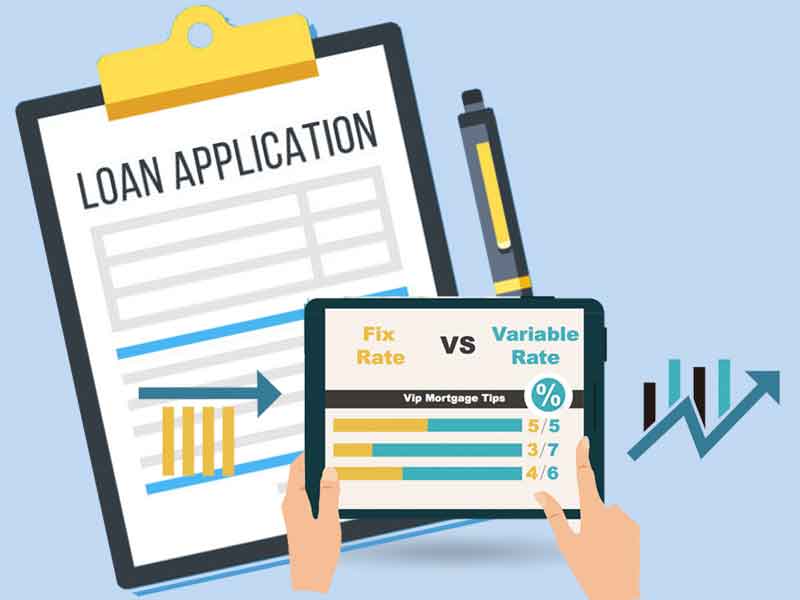
Understanding Interest Rates: Fixed vs. Floating Rate Loans in India
By admin_mutual | Jul 21, 2023
When considering a loan in India, one of the crucial factors to contemplate is the interest rate structure. Two primary options available to borrowers are fixed-rate loans and floating-rate loans. Each type comes with its advantages and considerations, and understanding the differences between the two is essential for making an informed borrowing decision. Know the key features of fixed and floating rate loans in India, helping you determine which option best suits your financial needs.
Fixed-Rate Loans
Fixed-rate loans are characterized by a consistent interest rate throughout the loan tenure. When you opt for a fixed-rate loan, the interest rate remains unchanged, irrespective of market fluctuations. This predictability provides borrowers with the peace of mind of knowing that their Equated Monthly Installments (EMIs) will remain stable over the entire loan period.
The advantages include:
- Stability: Fixed-rate loans offer borrowers stability in their monthly repayments. This is particularly advantageous during periods of rising interest rates, as borrowers are shielded from the impact of market fluctuations.
- Budgeting: With fixed EMIs, borrowers can easily budget their finances, making it easier to manage other financial commitments.
- Long-Term Planning: Fixed-rate loans are ideal for borrowers who prefer a secure, predictable repayment plan, enabling them to plan for their financial future with confidence.
Floating-Rate Loans
Floating-rate loans, also known as variable-rate loans, are loans where the interest rate fluctuates with changes in the market benchmark rate (such as the Reserve Bank of India’s repo rate or the Marginal Cost of Funds based Lending Rate – MCLR). As the benchmark rate changes, the interest rates on the loan are adjusted, leading to fluctuations in the borrower’s EMI amount.
The advantages include:
- Initial Lower Rates: Floating-rate loans often start with lower interest rates compared to fixed-rate loans, making them attractive during times of low market rates.
- Benefit from Rate Cuts: If the benchmark rates decrease, borrowers with floating-rate loans enjoy the advantage of reduced interest rates and subsequently lower EMIs.
- No Prepayment Penalties: Many floating-rate loans allow borrowers to make prepayments without incurring penalties, enabling faster loan clearance and interest savings.
What are the Considerations for Borrowers?
Borrowers need to take into account factors like:
- Market Fluctuations: As floating rates are subject to market changes, borrowers should be prepared for potential fluctuations in their EMIs. Periods of rising interest rates may lead to higher EMI amounts.
- Uncertainty: The uncertainty associated with floating rates may make budgeting and financial planning more challenging for some borrowers.
- Risk Tolerance: Borrowers should assess their risk tolerance and financial capacity to handle fluctuations in interest rates.
Regardless of your decision, a well-informed approach will ensure that your loan suits your financial requirements and helps you achieve your long-term goals.